
What can dogs eat?
Some human foods make great treats for dogs, and some are dangerous even in small amounts. Here's what's safe, what's not, and why.
Popular questions
- grapesCan cause sudden kidney failure, even in small amounts.No
- chocolateDark, baking, and cocoa are the most dangerous. Can cause seizures.No
- bananasA healthy treat in small amounts. Remove the peel.Yes
- applesCrunchy and healthy. Remove the core, seeds, and stem.Yes
- peanut butterPlain and unsalted only. Never with xylitol (birch sugar).Only with care
- cheeseA little plain cheese is fine. Skip garlic, onion, and blue cheese.Yes
- strawberriesA low-calorie fruit treat. Fresh or frozen, no syrup.Yes
- eggsCooked and plain. Skip raw eggs and seasoning.Yes
Never feed
Keep these away from your pet completely.
- grapesCan cause sudden kidney failure, even in small amounts.
- chocolateDark, baking, and cocoa are the most dangerous. Can cause seizures.
- onionsRaw, cooked, or powdered: damages red blood cells.
- garlic3 to 5 times stronger than onion. Damages red blood cells.
- walnutsBlack and moldy walnuts can cause seizures. Avoid.
- almondsNot toxic, but hard to digest and can cause blockages.
- marshmallowsPure sugar, and sugar-free ones may contain xylitol.
Only with care
Fine in some forms, risky in others. Read before sharing.
- peanut butterPlain and unsalted only. Never with xylitol (birch sugar).
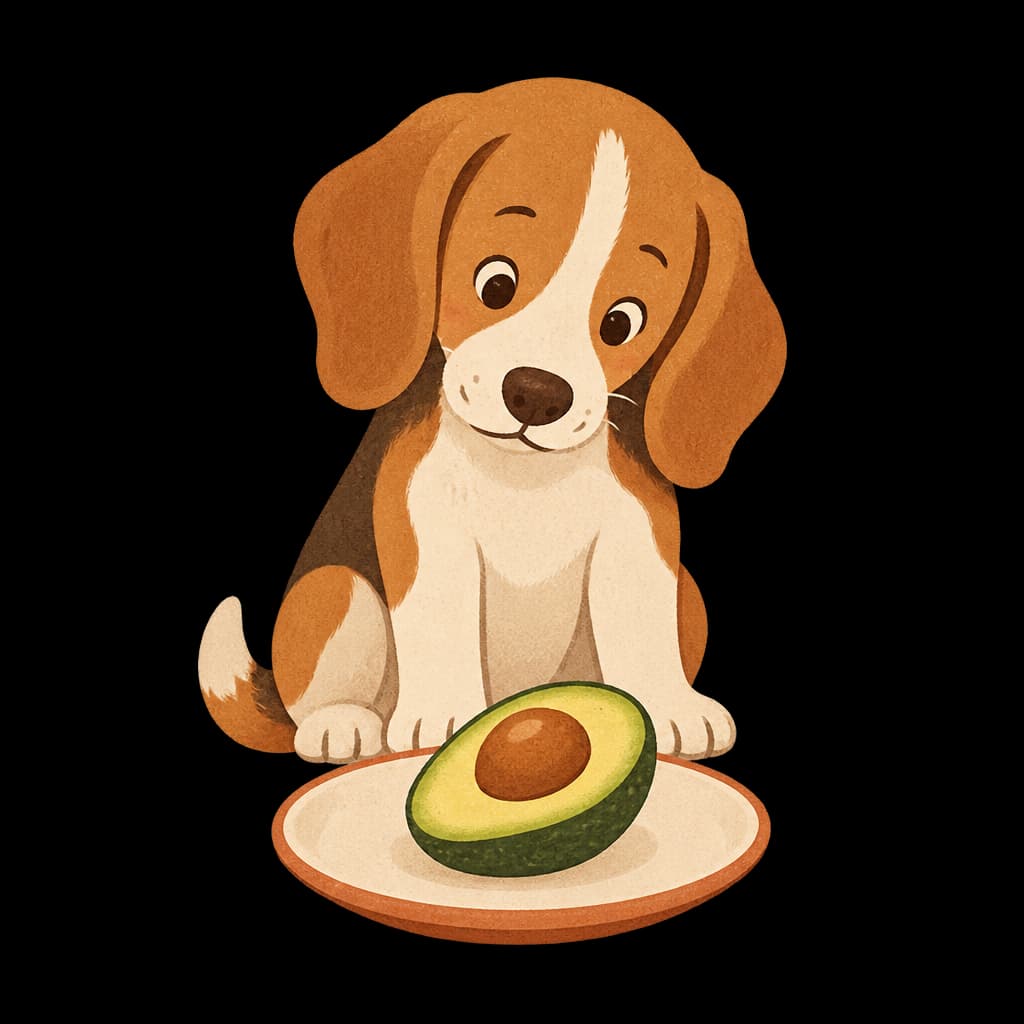
- avocadoFlesh is rarely toxic to dogs, but the pit can cause a blockage.
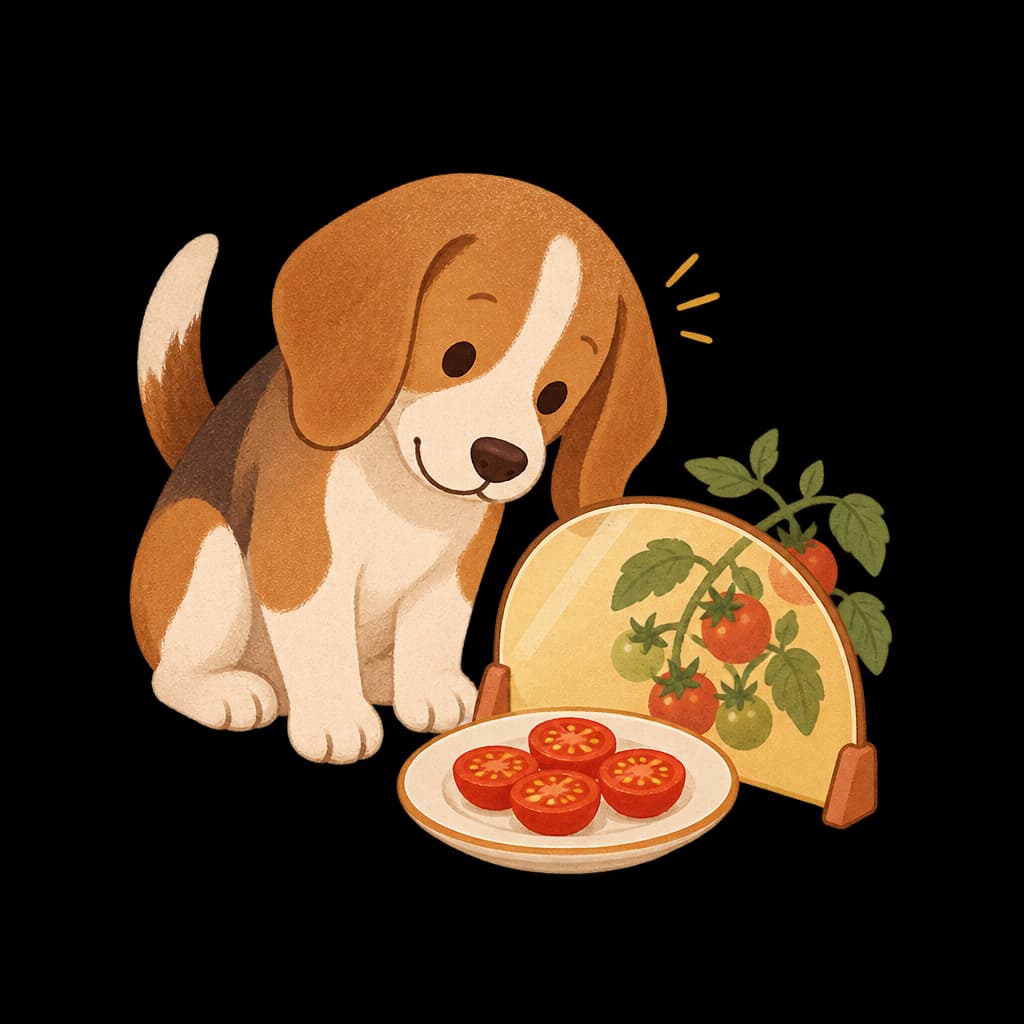
- tomatoesRipe red flesh is fine. Leaves, stems, and green tomatoes are not.
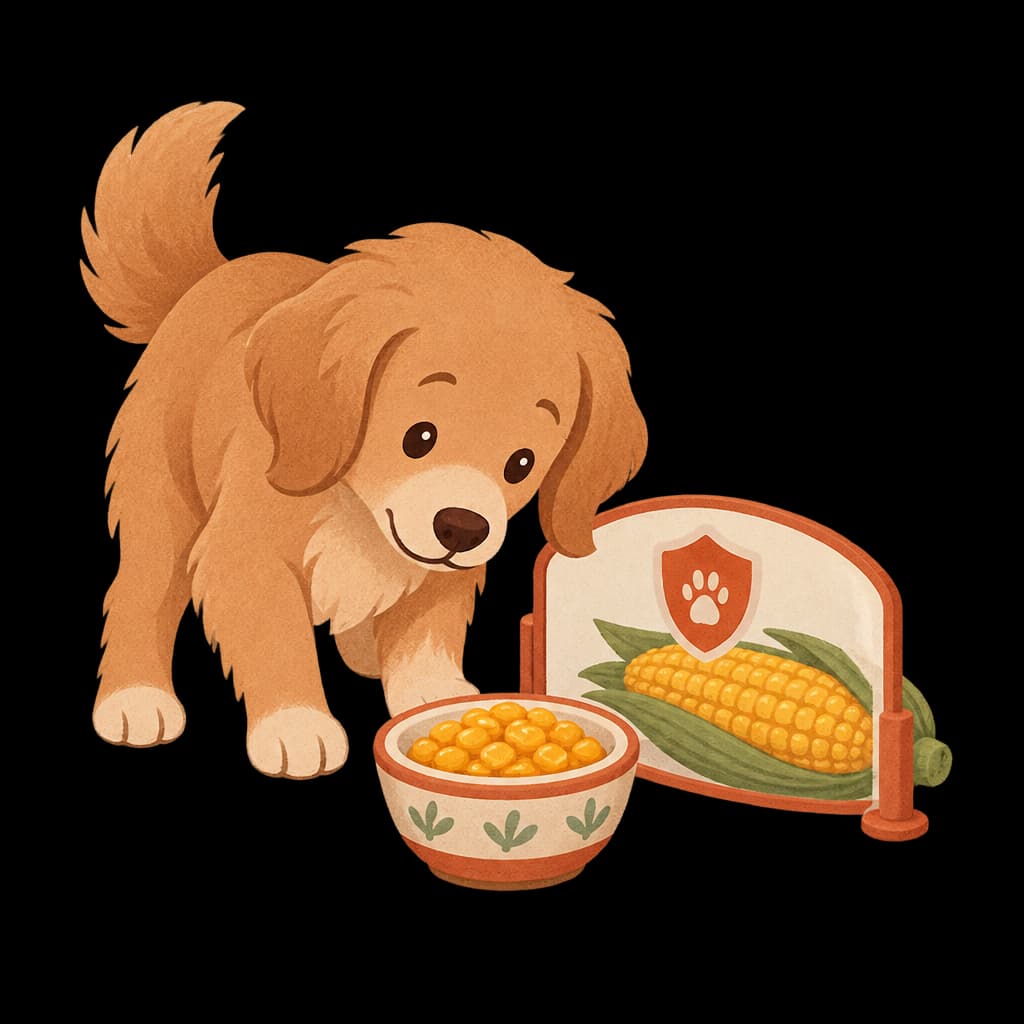
- cornPlain kernels are fine. Corn cobs can cause a blockage.
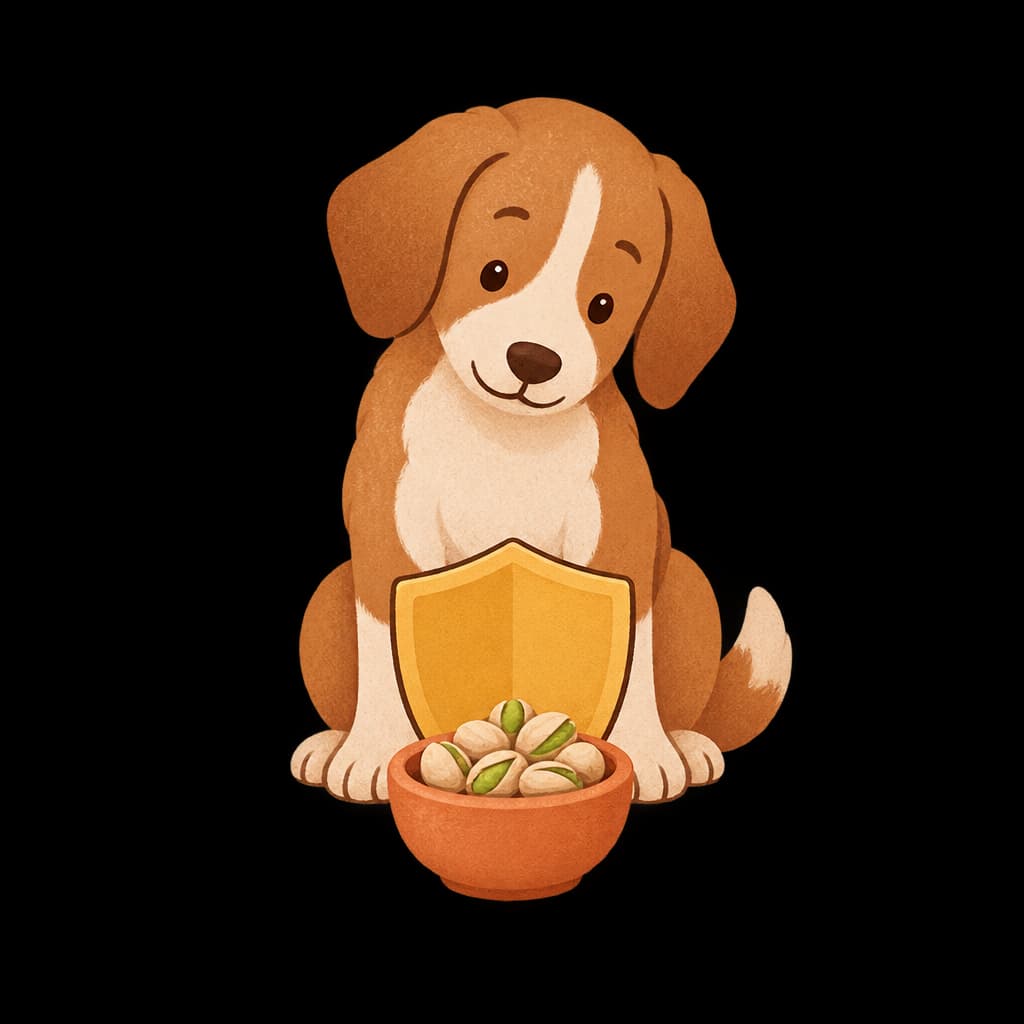
- pistachiosNot toxic, but fatty, salty, and the shells are risky.
- cherriesNot recommended. Pits, stems, and leaves contain cyanide.
- hamToo salty and fatty. Never give ham bones.
- mushroomsStore-bought is fine. Wild mushrooms can be deadly.
- potatoesCooked and plain is fine. Never raw or green.
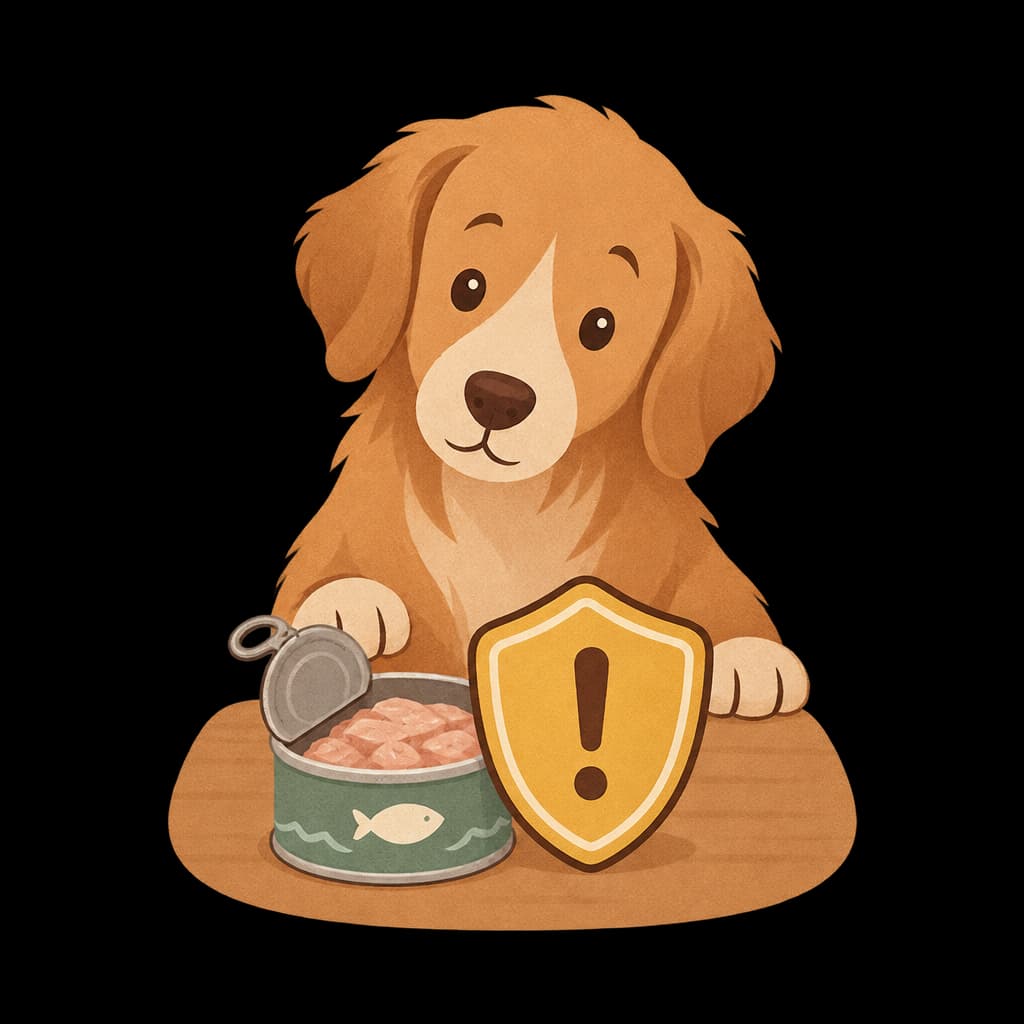
- tunaNot recommended regularly: high in mercury.
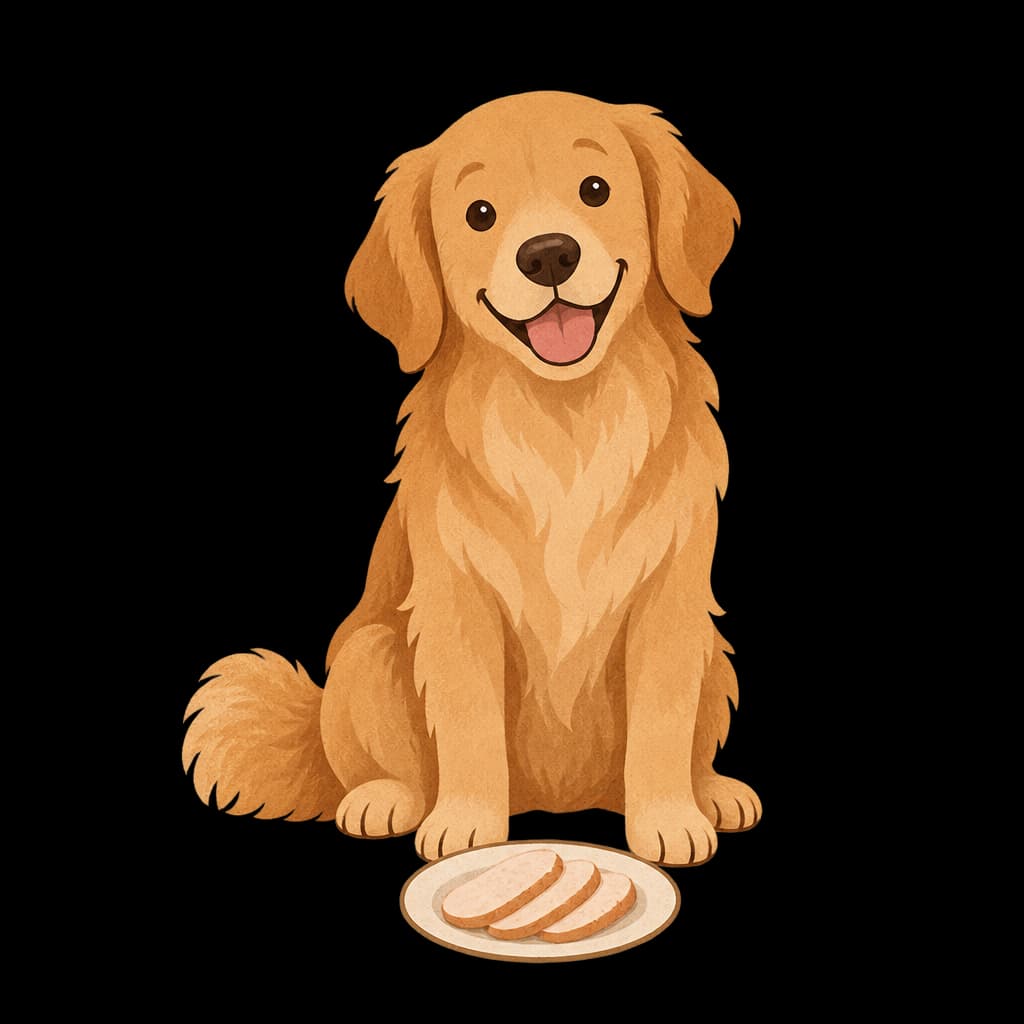
- turkeyPlain meat is fine. No skin, bones, gravy, or stuffing.
Safe in small amounts
Healthy occasional treats when prepared the right way.
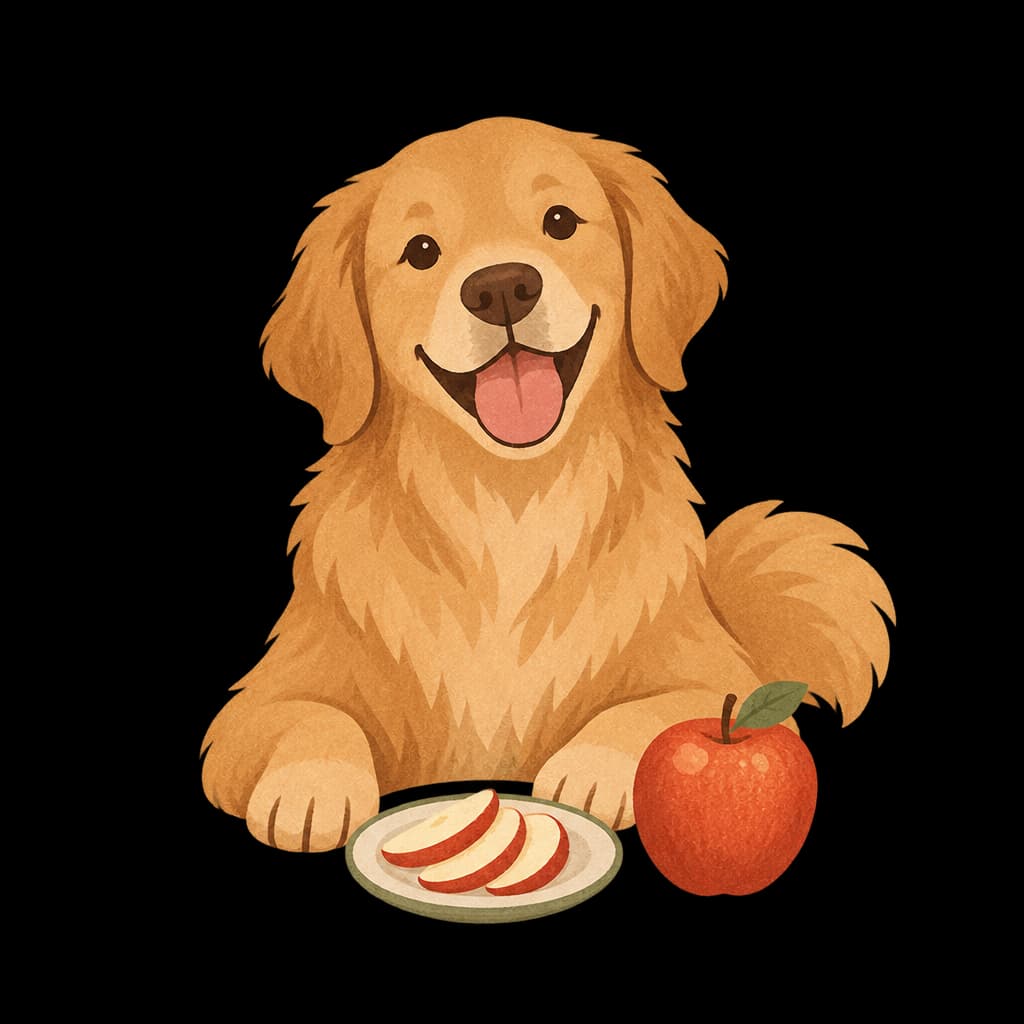
- applesCrunchy and healthy. Remove the core, seeds, and stem.
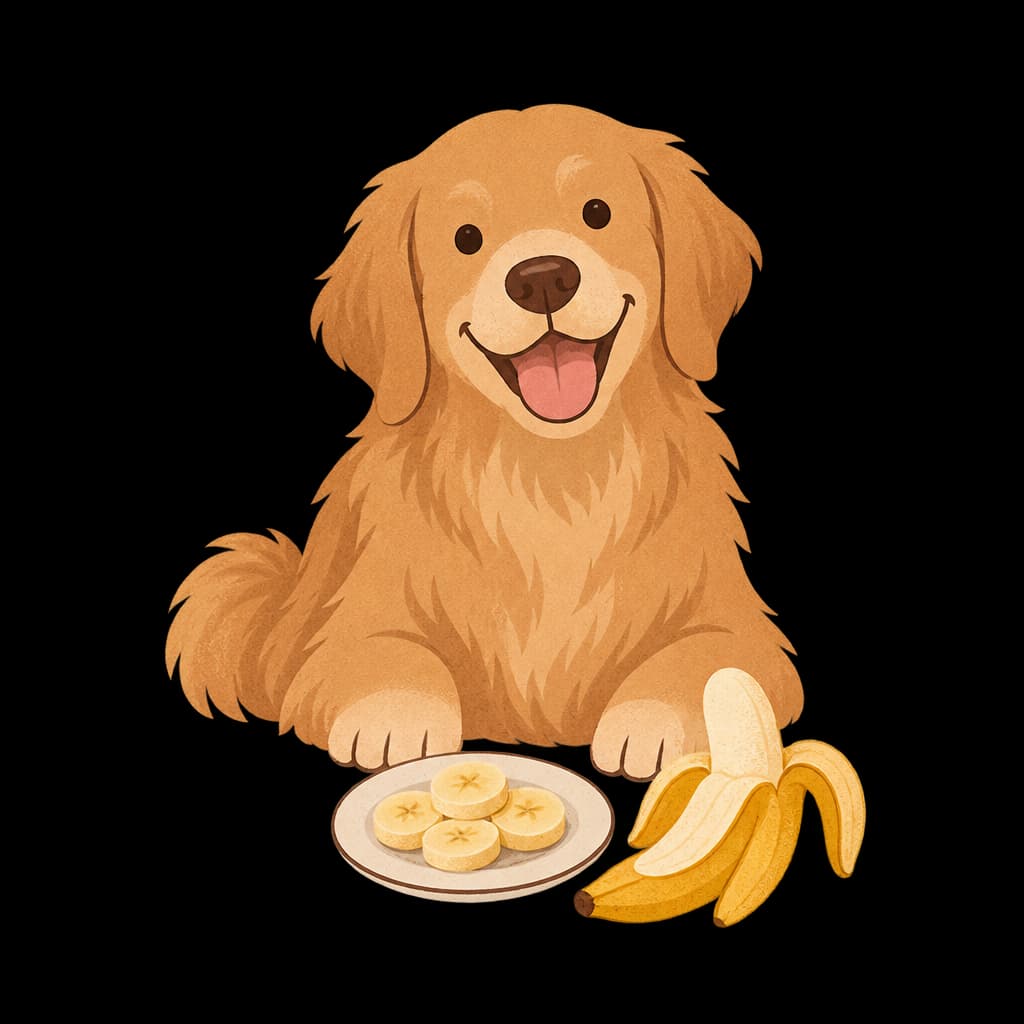
- bananasA healthy treat in small amounts. Remove the peel.
- blueberriesSmall, low-calorie, and full of antioxidants.
- broccoliFine in small amounts. Too much can irritate the stomach.
- cantaloupeJuicy flesh is fine. Remove the rind and seeds.
- carrotsCrunchy, low in calories, and full of vitamin A.
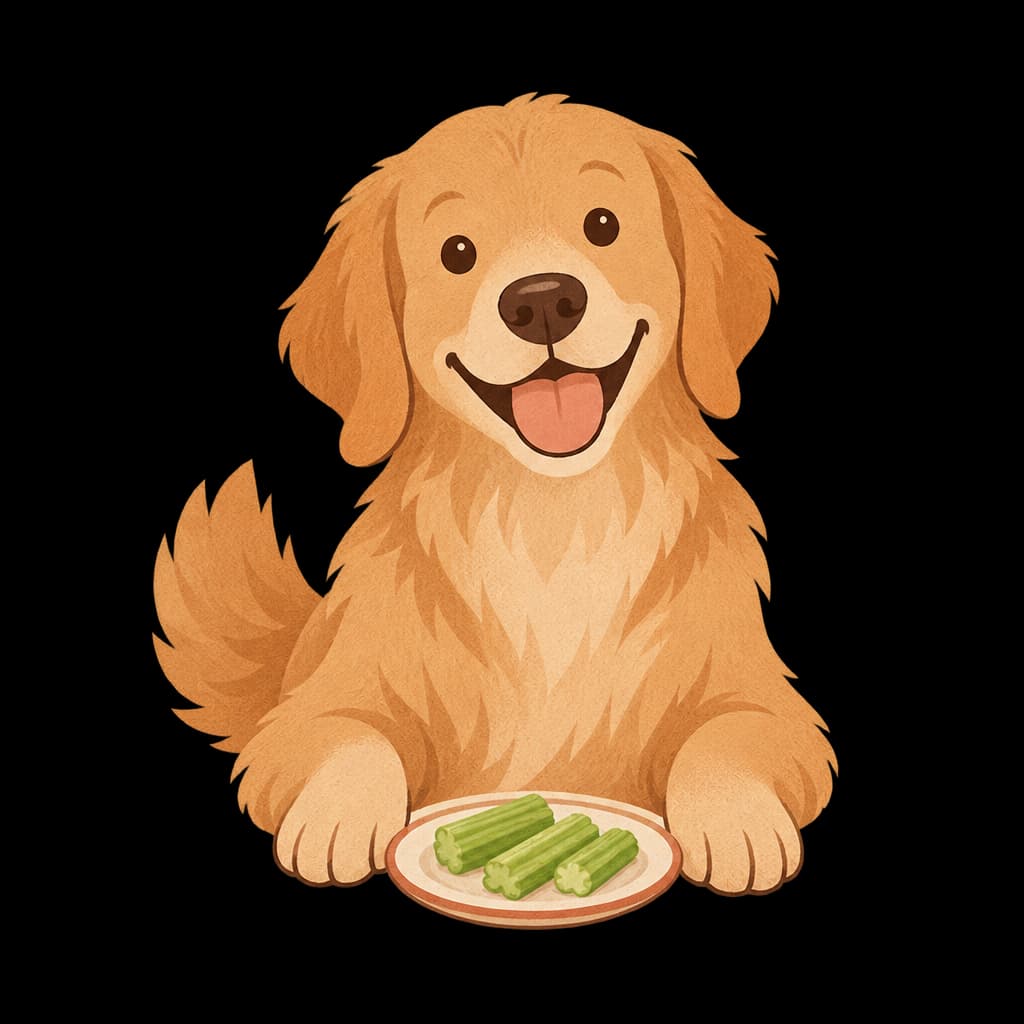
- celeryLow in fat and calories. Cut into small pieces.
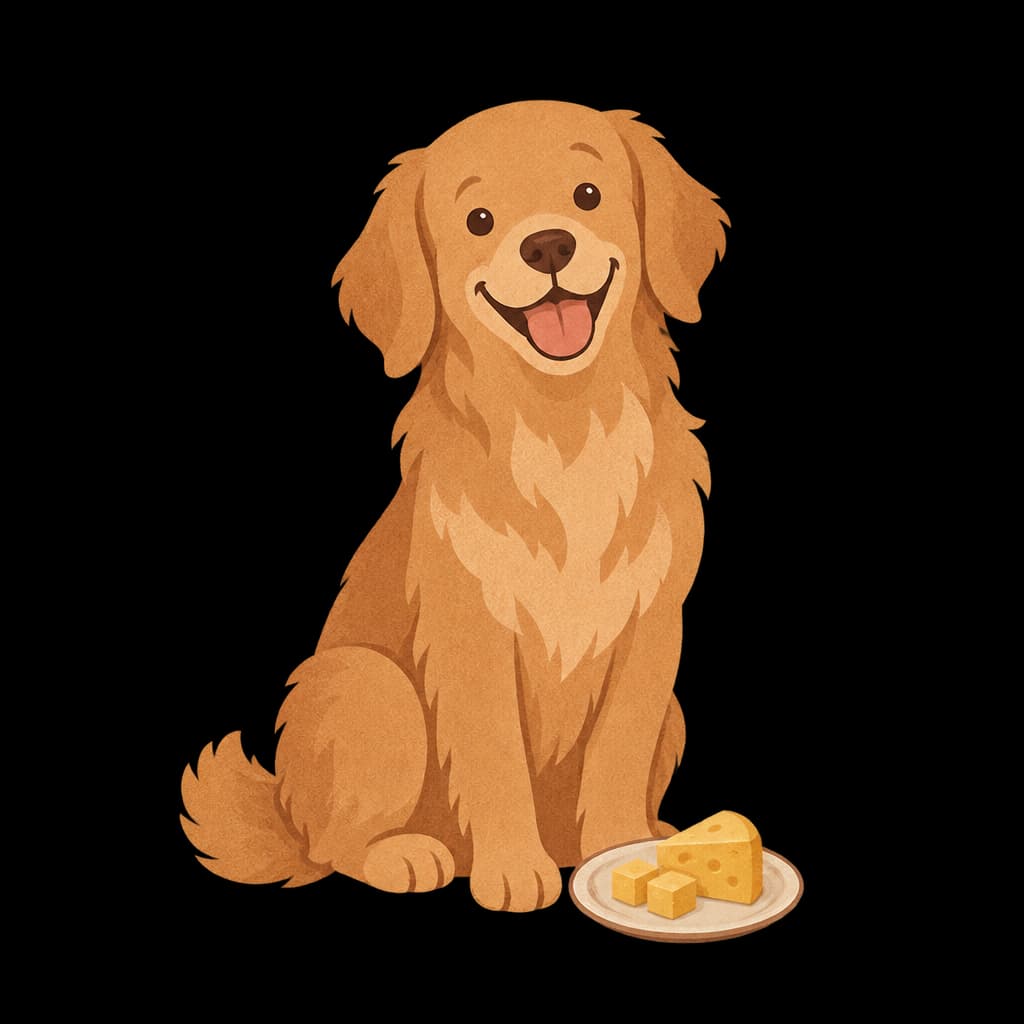
- cheeseA little plain cheese is fine. Skip garlic, onion, and blue cheese.
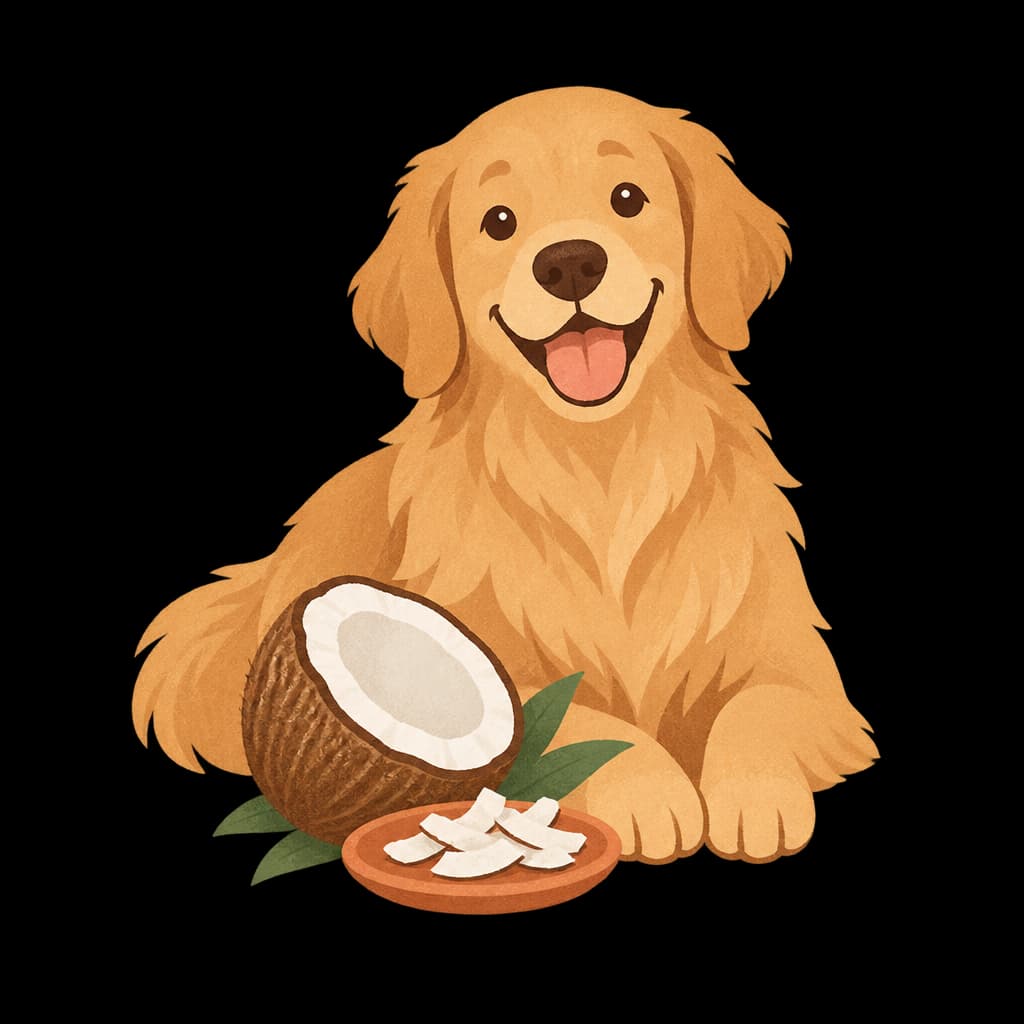
- coconutA little plain flesh is fine. High in fat; no shell.
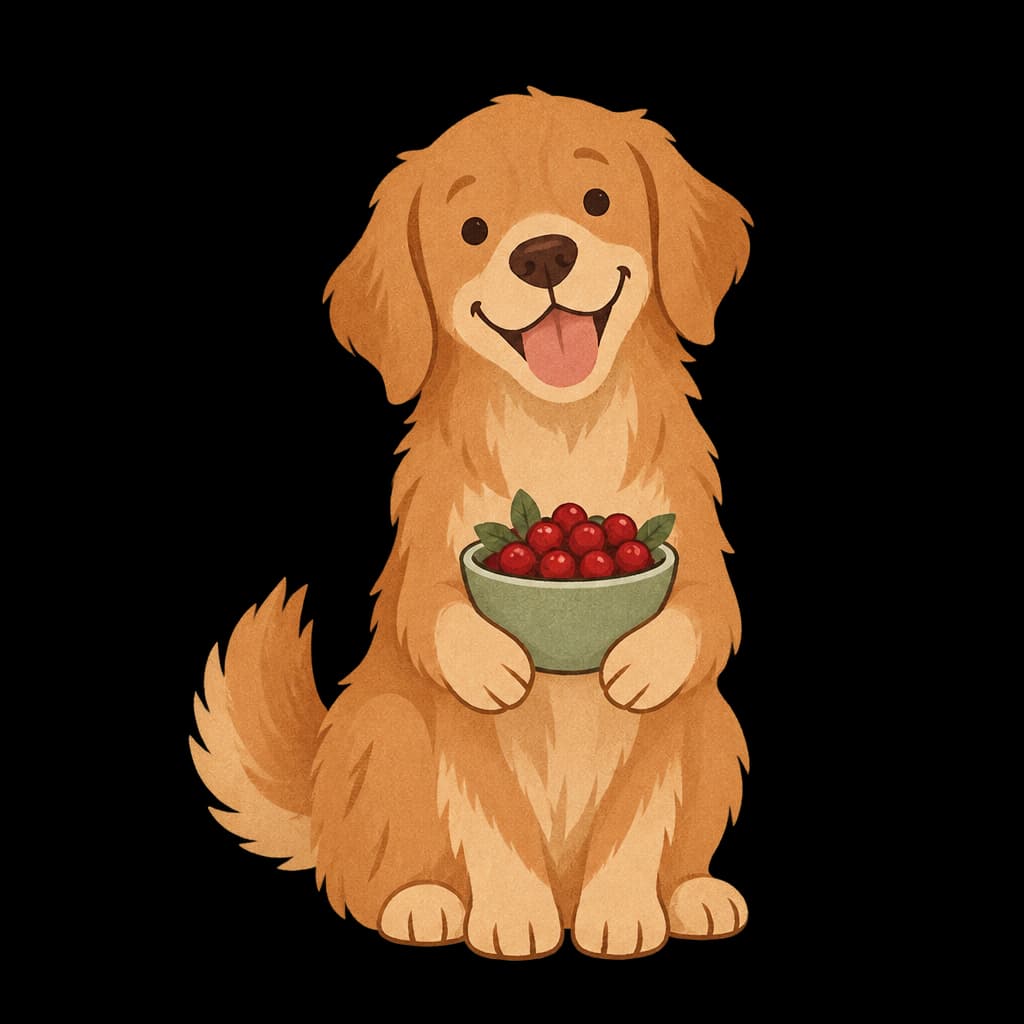
- cranberriesPlain is fine. Skip sauce, juice, and mixes with raisins.
- cucumbersHydrating and very low in calories. Slice it; skip pickles.
- eggsCooked and plain. Skip raw eggs and seasoning.
- mangoSweet and safe in small amounts. Remove the pit and skin.
- orangesA segment or two, peeled and seedless.
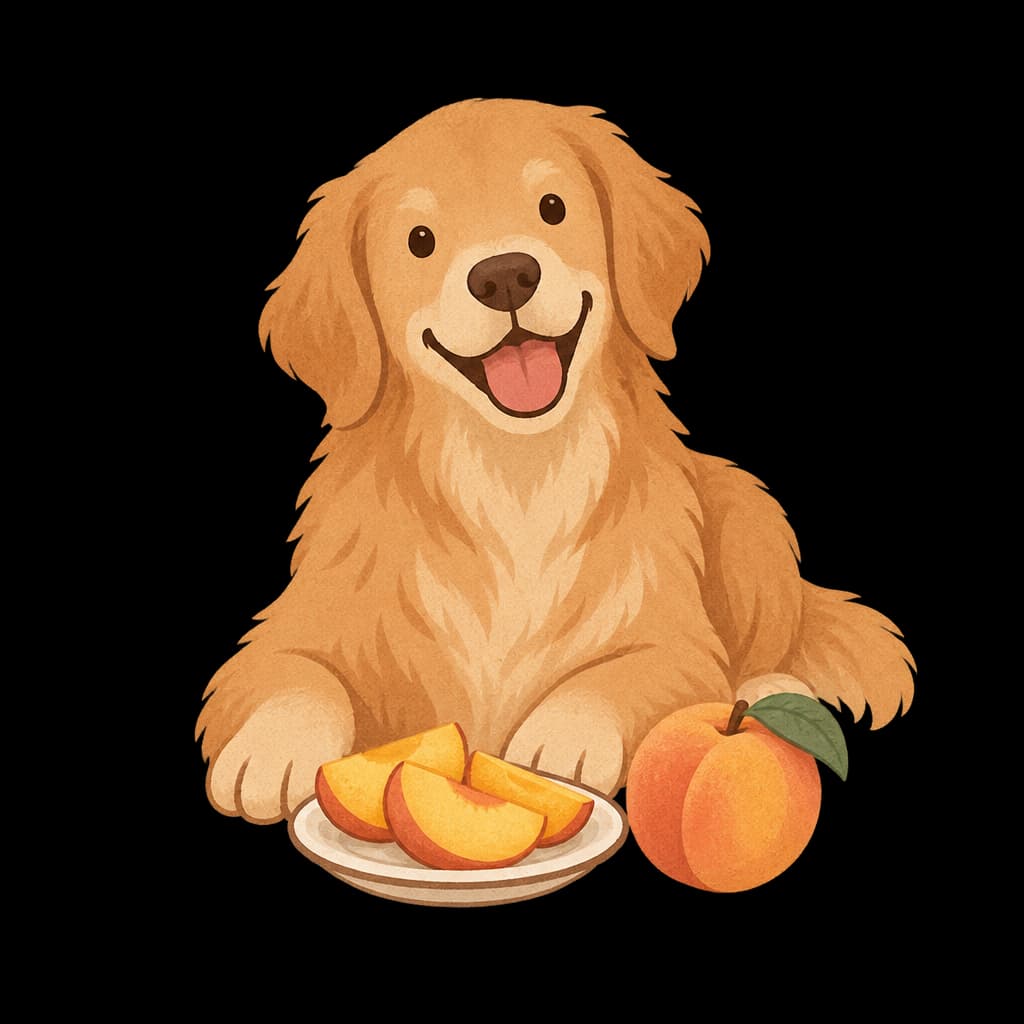
- peachesFresh slices are fine. The pit can cause a blockage.
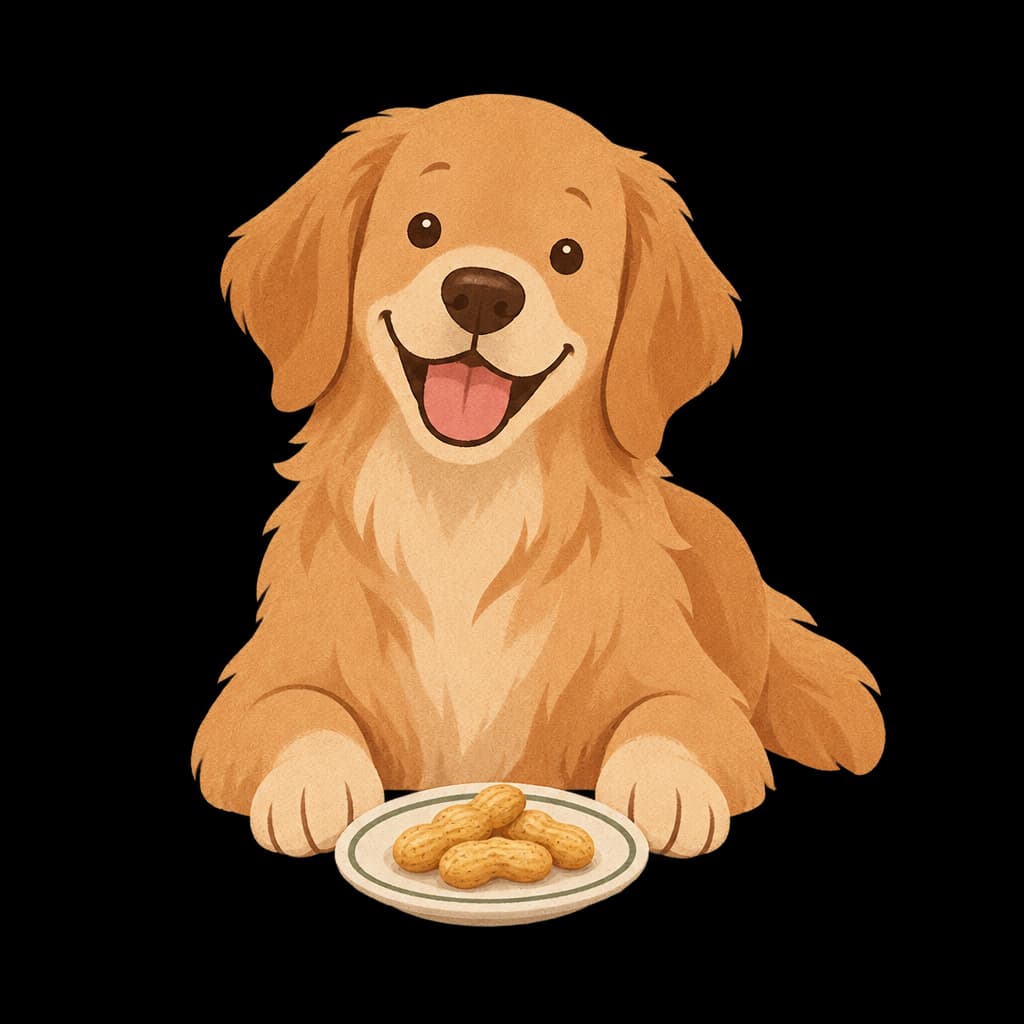
- peanutsA few plain, unsalted, shelled peanuts are fine.
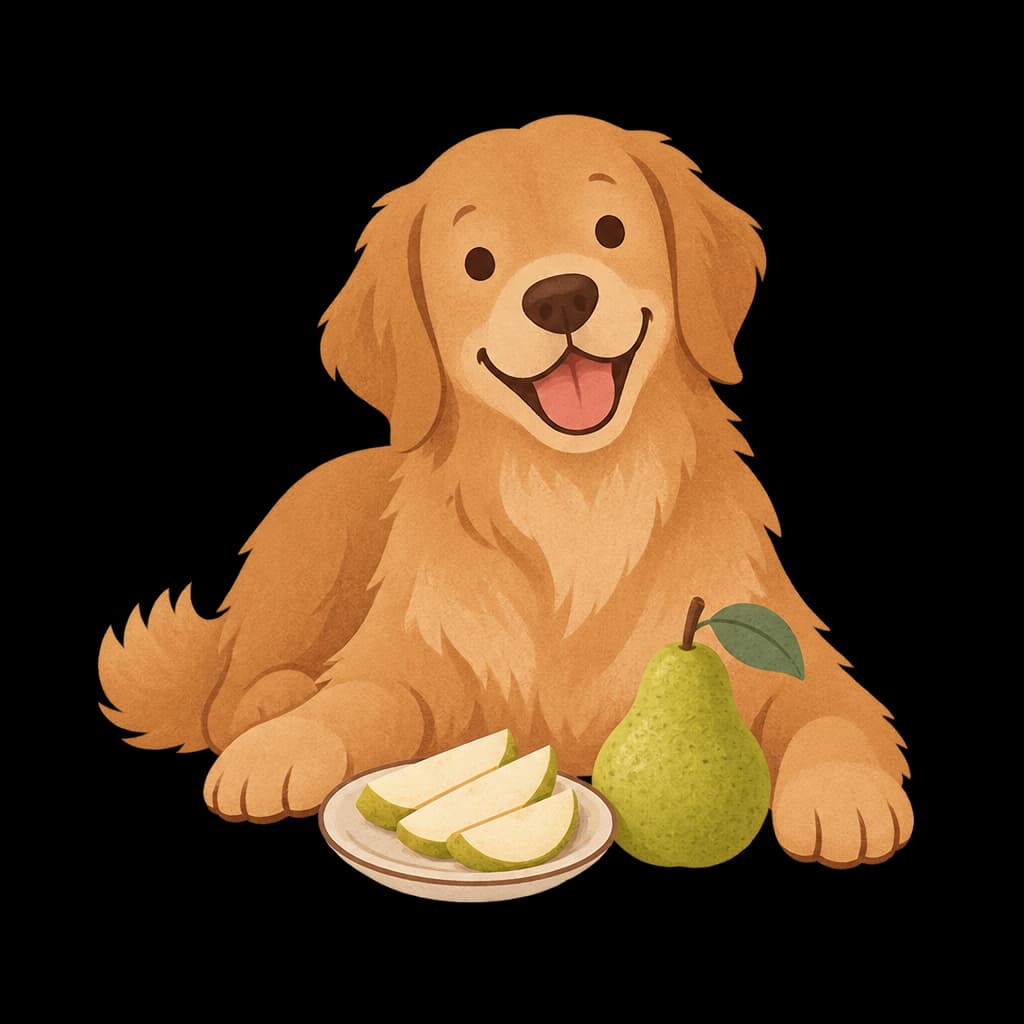
- pearsJuicy and safe. Remove the core and seeds.
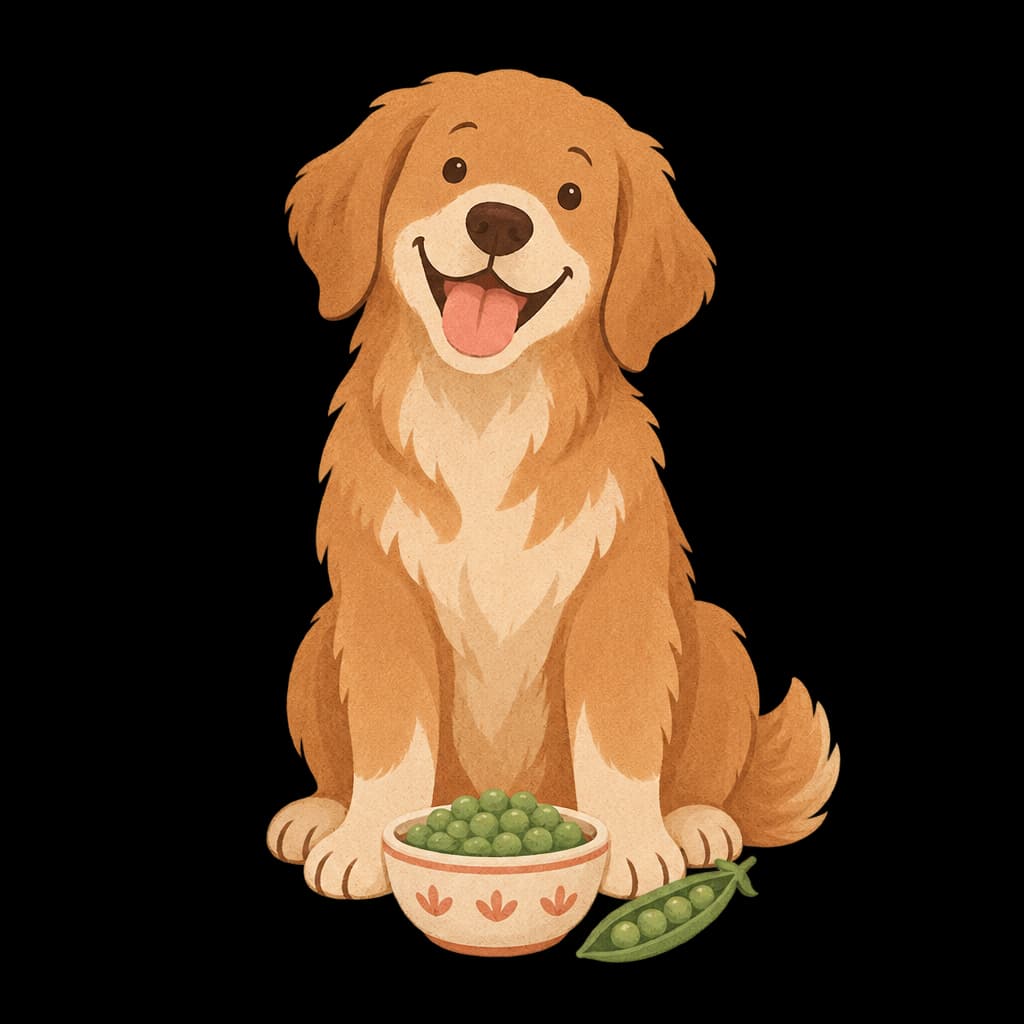
- peasFresh or frozen are fine. Skip salty canned peas.
- pineappleFresh flesh only. Skip the core, skin, and canned syrup.
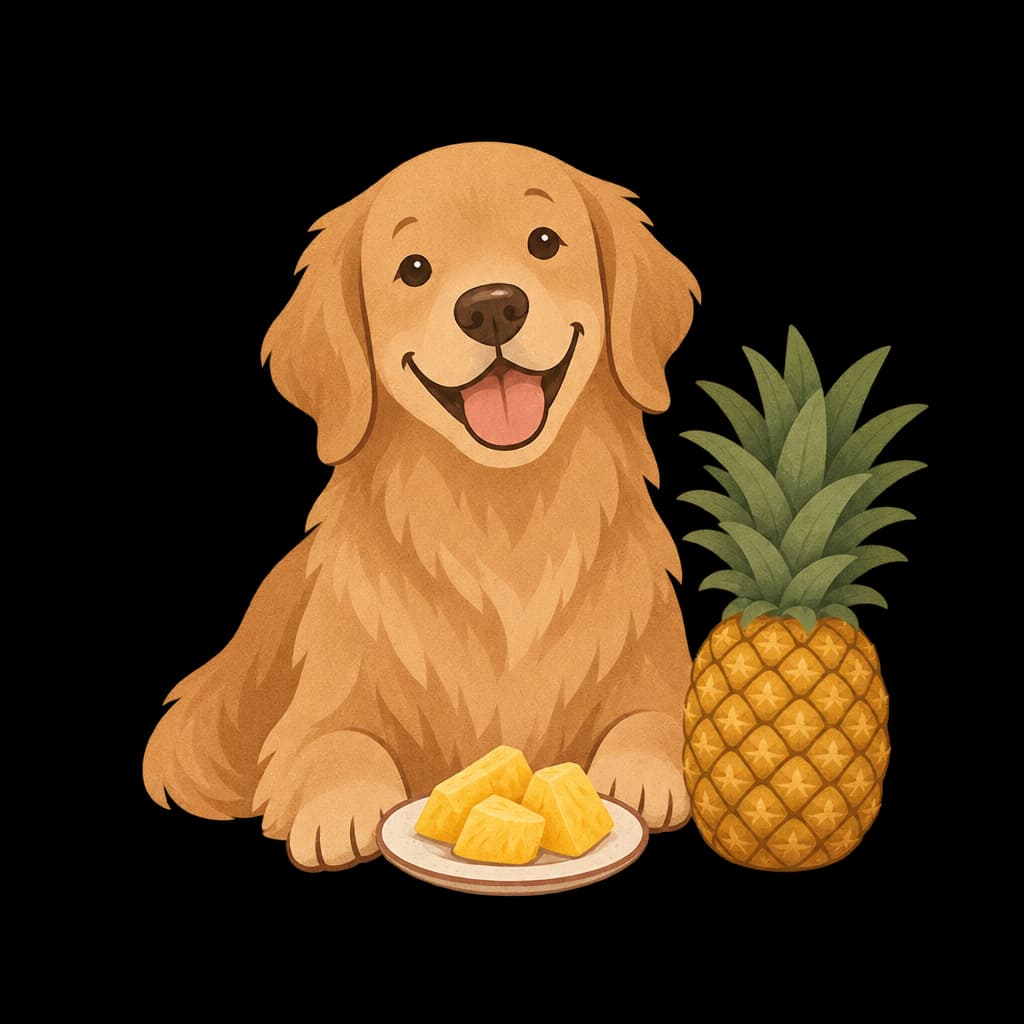
- popcornPlain and air-popped only. No butter, salt, or kernels.

- raspberriesLow in sugar. Keep portions small (natural xylitol).
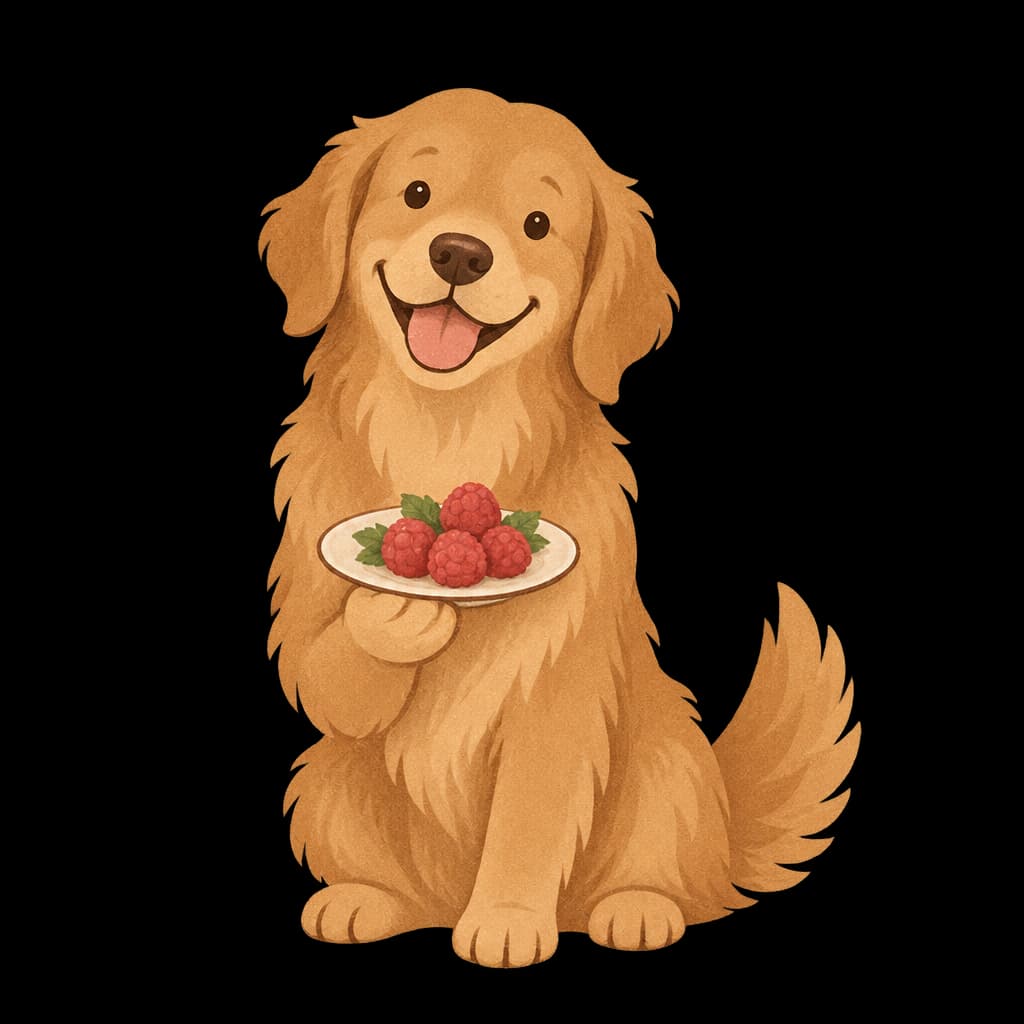
- shrimpCooked, plain, and fully peeled.
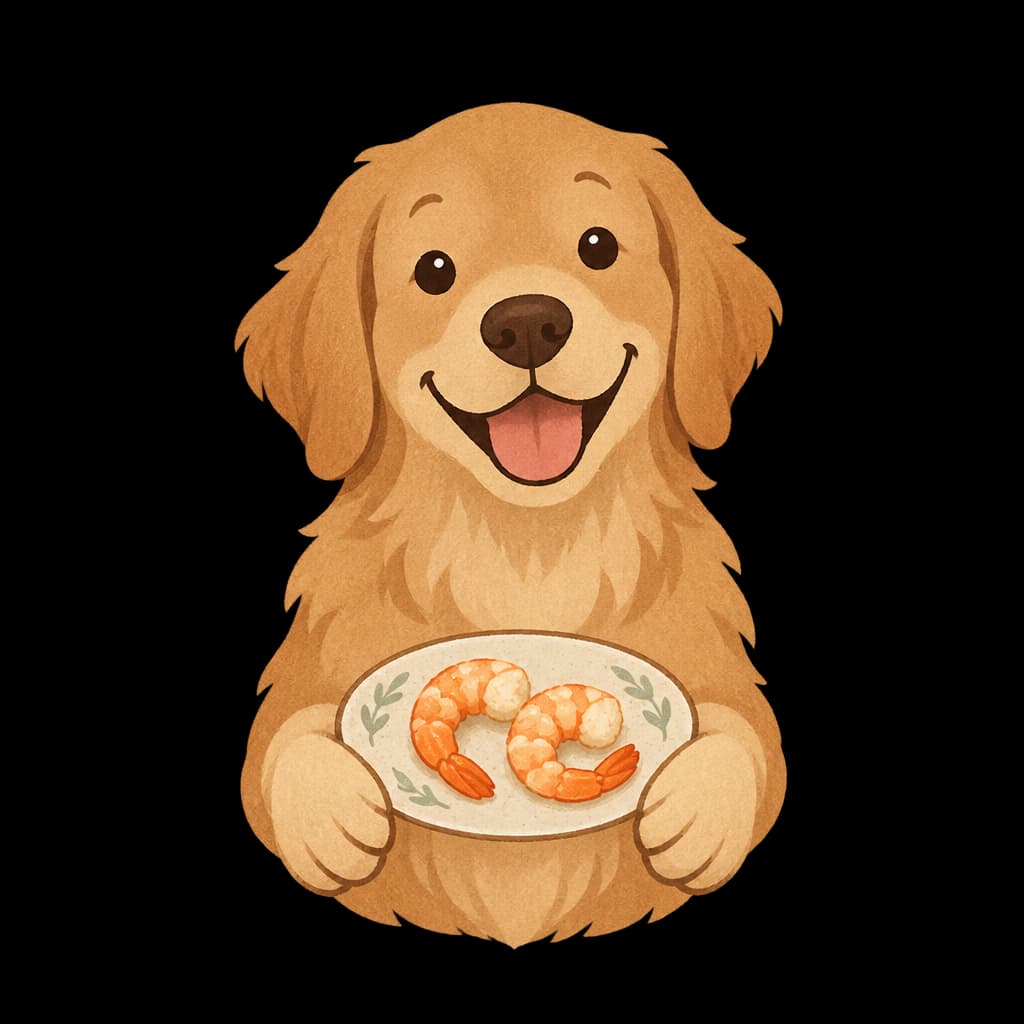
- strawberriesA low-calorie fruit treat. Fresh or frozen, no syrup.
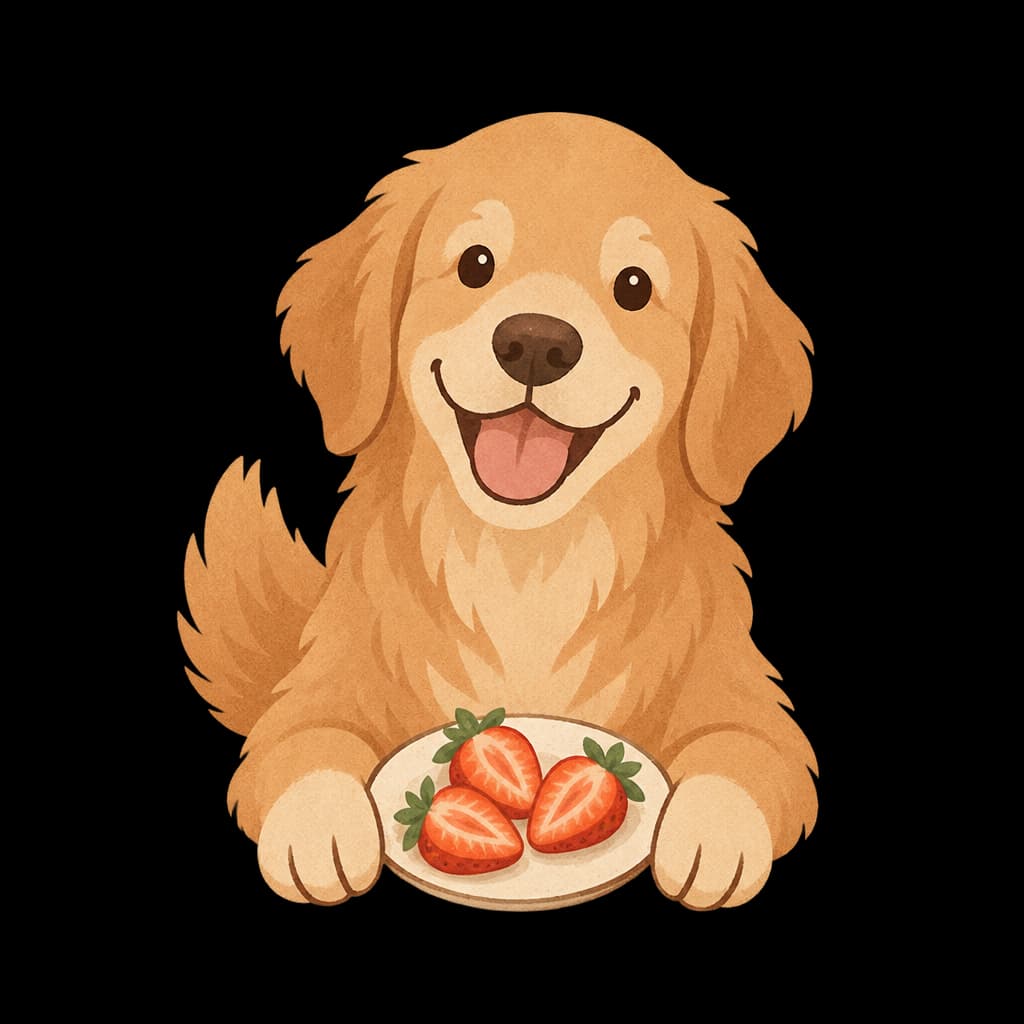
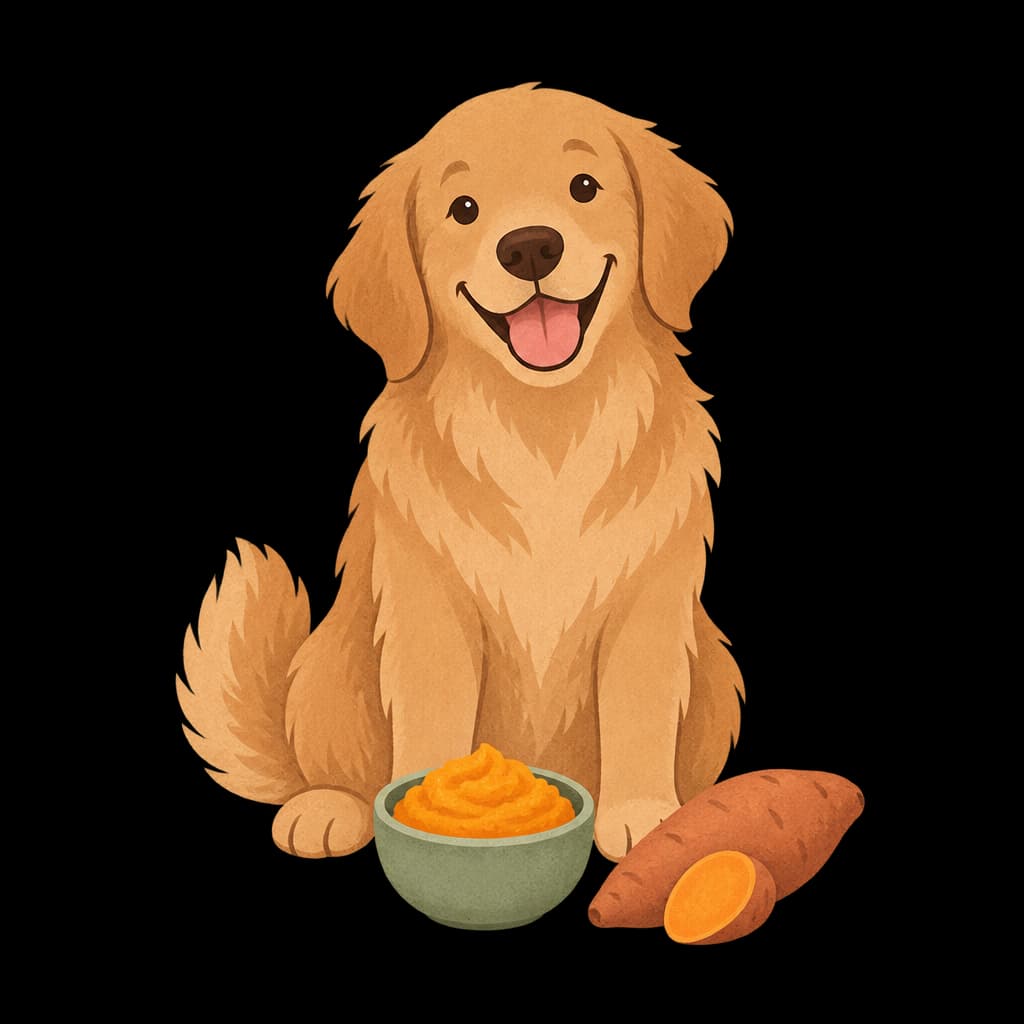
- sweet potatoesCooked and plain only. Never raw.
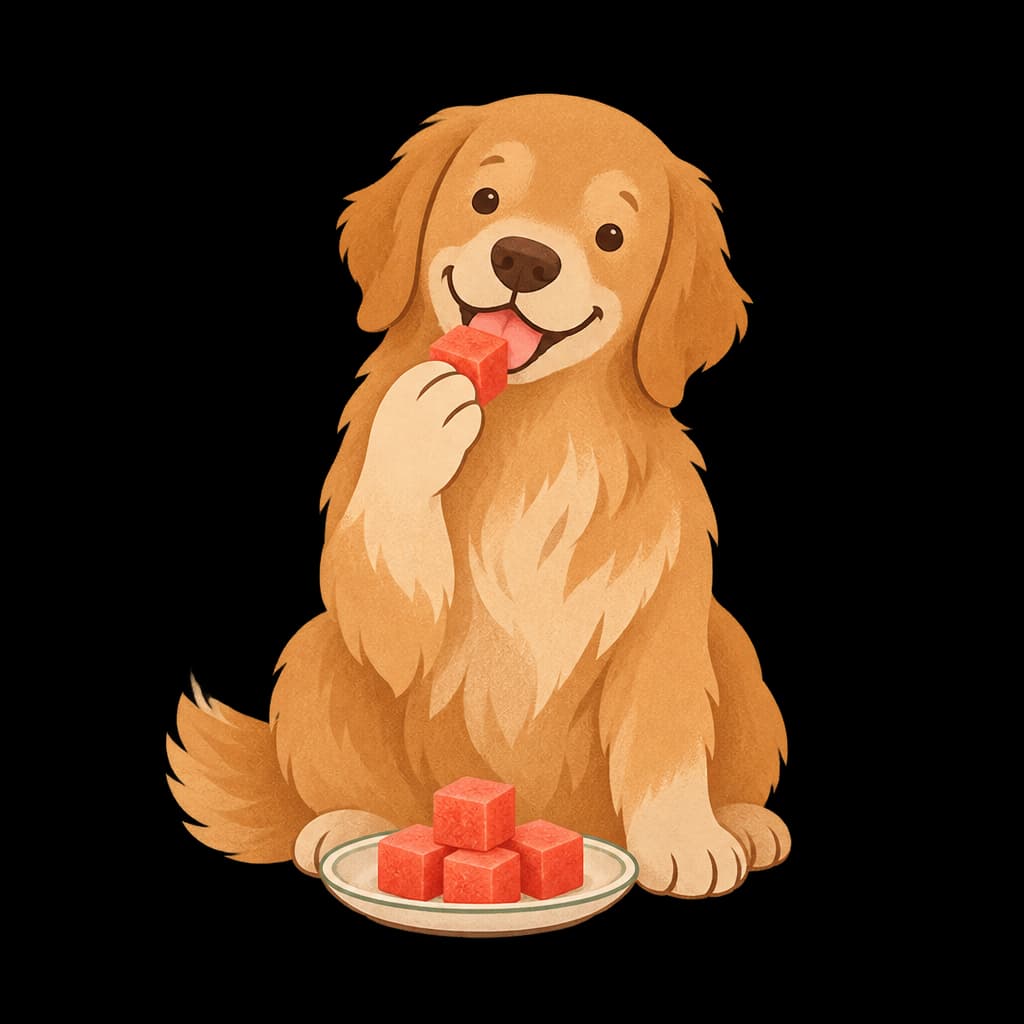
- watermelonHydrating and low in calories. Remove the seeds and rind.
Other foods dogs should never have
- Xylitol (birch sugar) in sugar-free gum, candy, and baked goods
- Macadamia nuts
- Alcohol and raw yeast dough
- Coffee, tea, energy drinks, and caffeine pills
- Cooked bones, which can splinter
- Very salty or fatty foods, like chips and bacon
Simple rules for sharing food
- Keep treats, including human food, to about 10 percent of daily calories.
- Give plain food: no onion, garlic, salt, butter, sauces, or sweeteners.
- Cut food into small pieces and remove pits, cores, seeds, and bones.
- Try one new food at a time, in a small amount.
- Ask your vet first if your dog has a health condition or special diet.
Our dog food calculator shows your dog's daily treat budget.
Ask Pawrennial
Have a question about your dog?
Ask in your own words and we'll find the answer in our guides, each written from veterinary sources.
Answers come from our guides, not from a vet. Always check with your vet about your own dog.
Did your dog eat something dangerous?
Call your vet, an emergency vet, or a 24/7 pet poison line now, even if your dog seems fine. For chocolate or grapes, our toxicity checker shows how serious it may be.
Call your vet, an emergency vet, or a 24/7 pet poison line:
US numbers. A consultation fee may apply. Don't try to make your dog vomit unless a vet tells you to.