
What can cats eat?
Cats are strict carnivores with very different needs from people and dogs. Here's which human foods are safe as an occasional treat, and which to keep away from your cat.
Popular questions
- chocolateToxic to cats. Dark chocolate and cocoa are the worst.No
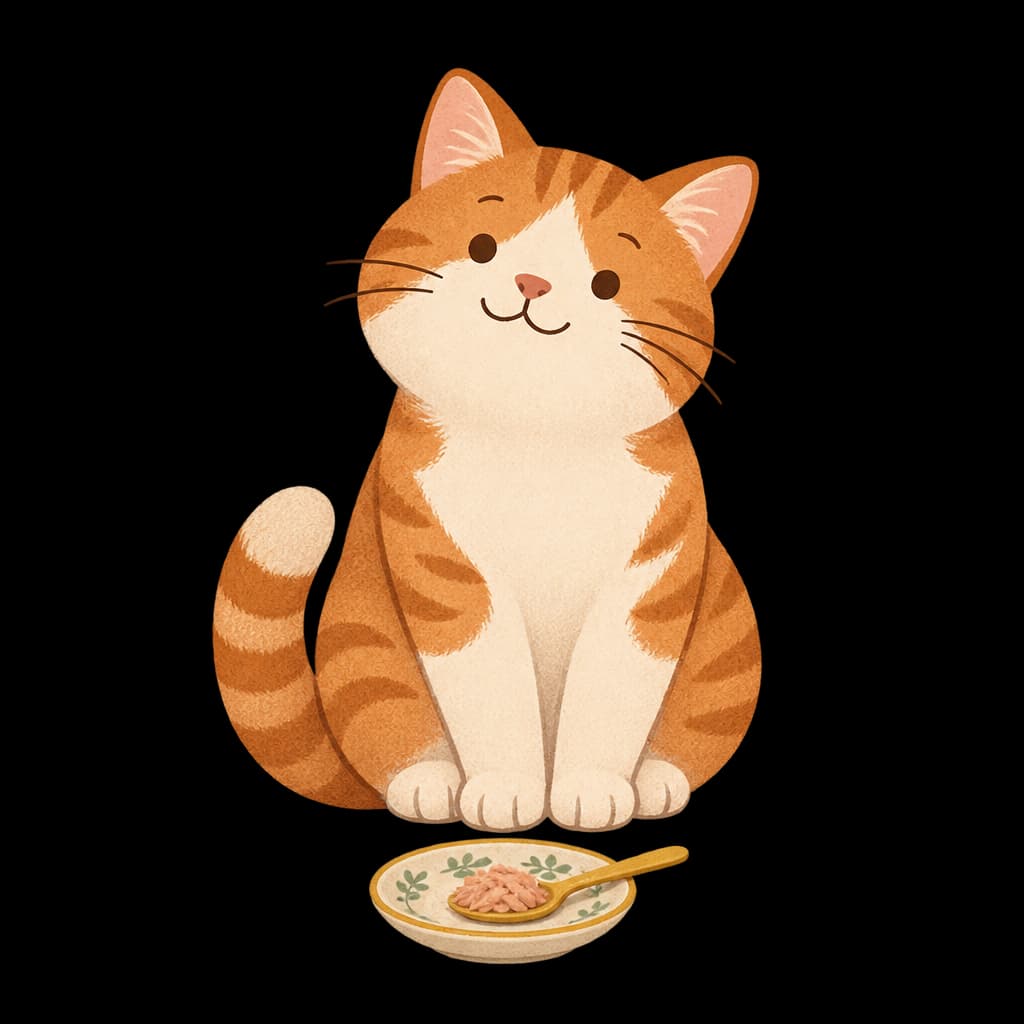
- tunaA rare treat only. Light tuna in water, no salt.Only with care
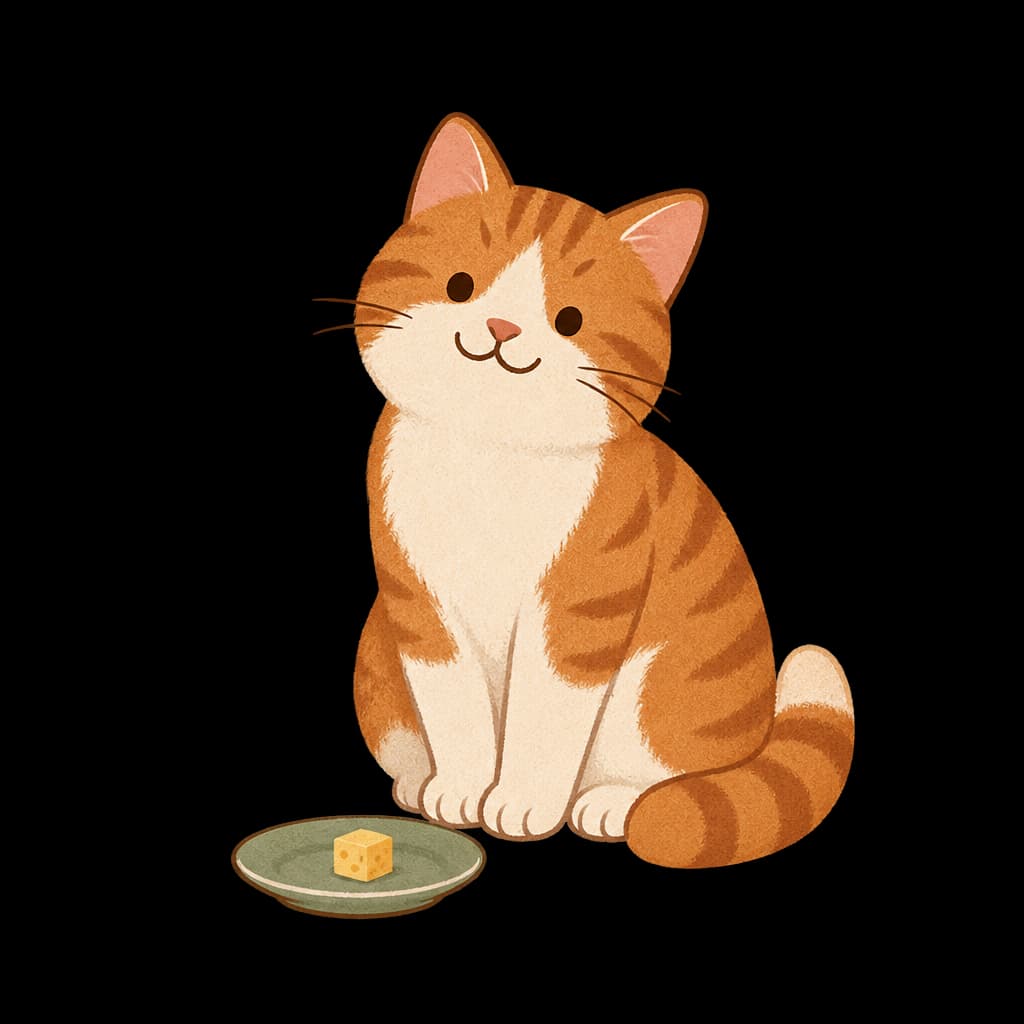
- cheeseNot toxic, but many cats are lactose intolerant. A pea-sized piece at most.Only with care
- eggsCooked and plain is a good treat. Never raw.Yes
- dog foodA nibble is fine, but it lacks nutrients cats need.Only with care
Never feed
Keep these away from your pet completely.

Only with care
Fine in some forms, risky in others. Read before sharing.
Safe in small amounts
Healthy occasional treats when prepared the right way.

Other foods cats should never have
- Onions, garlic, chives, and leeks (cats are even more sensitive than dogs)
- Grapes and raisins
- Alcohol and raw yeast dough
- Coffee, tea, and energy drinks
- Lilies: every part, even the pollen, can cause kidney failure in cats
- Human medicines, especially acetaminophen (Tylenol)
Simple rules for sharing food
- Cats are carnivores: a complete cat food should provide nearly all their nutrition.
- Keep treats, including human food, to about 10 percent of daily calories.
- Give plain, cooked meat or fish with no bones, onion, garlic, or seasoning.
- Skip milk: most adult cats can't digest it well.
- Ask your vet first if your cat has a health condition or special diet.
Our cat calorie calculator shows your cat's daily treat budget.
Ask Pawrennial
Have a question about your cat?
Ask in your own words and we'll find the answer in our guides, each written from veterinary sources.
Answers come from our guides, not from a vet. Always check with your vet about your own cat.
Did your cat eat something dangerous?
Call your vet, an emergency vet, or a 24/7 pet poison line now, even if your cat seems fine. Cats hide illness well, so don't wait for signs.
Call your vet, an emergency vet, or a 24/7 pet poison line:
US numbers. A consultation fee may apply. Don't try to make your cat vomit unless a vet tells you to.